
Optimizing supply chains. Caring for the Environment.
ISC CONSULTING AND TRADING has been founded in 2020, with the view of refining the use of supply chain principles throughout the manufacturing and services supply chains, and to provide specific environmental services;

refining the use of supply chain principles
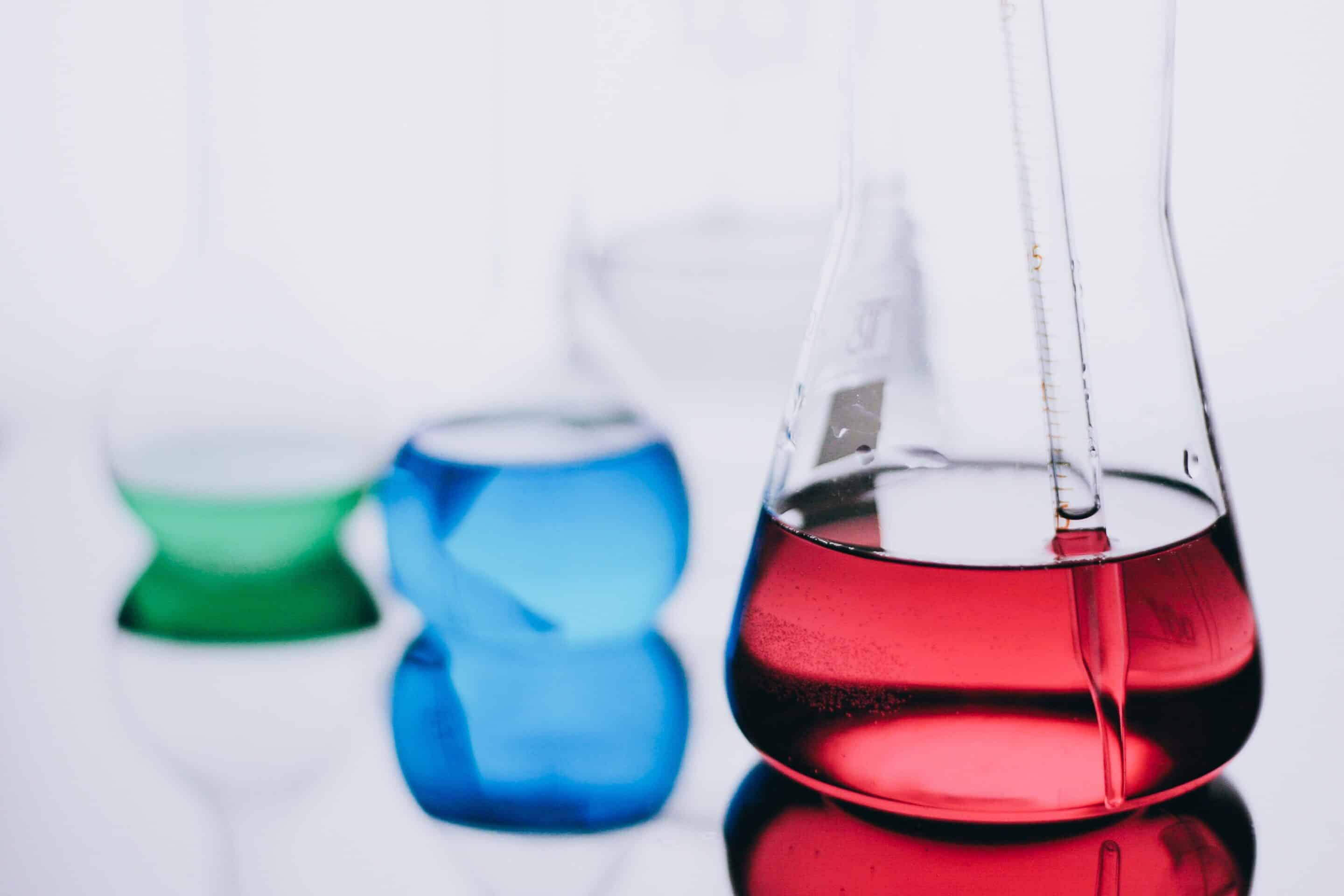
Safety Data Sheet Services
- SDS Examination
- SDS Authoring
- SANS10234:2019 Assessment of Substances and Mixtures

Consulting Services
- Chemical Compatibility Assessments to SANS10263 and SANS10231
- Development of Waste Management Plans
- Operational Efficiency Assessments
- Material and Manufacturing Efficiency Projects
- Plant Capacity Assessments
- Business Information Flow Efficiency Assessments
- Greenhouse Gas Emission Assessments

Short Courses
- ISC T1 – Introduction to Cable Manufacturing Technology
- ISC T2 – Conductor design and manufacturing methodology
- ISC T3 – The function of tapes and yarns in cable manufacturing technology
- ISC T4 – Extrusion technology
- ISC T5 – Test methods in materials
- ISC T6 – Basics of Quality Control
- ISC T7 – The purpose of Safety Data Sheets Interpretation and basic understanding.
- ISC T8 – Introduction to Demand Management and Forecasting

Trading Services
- Materials
- Cable Manufacturing Machinery
Businesses that work with us




frequently asked questions
What is SANS10234?
SANS10234:2019 represents the South African Adaptation of the Global Harmonized Systems (GHS) of the classification of hazardous substances and mixtures for the safe use at the workplace and in the home, including during transportation and disposal, which was updated in 2019. The classification is in accordance to their health, environmental and physical hazards. This standard provides extensive guidelines for the preparation of SDSs and compliance criteria, and should therefore be preferred over the older standard SANS11014:2010. In conjunction with SANS10228:2012, SANS10234:2019 provides the international basis for compiling well-formulated and meaningful SDSs.
Is SANS10234 applicable to wastes?
SANS10234 and GHS provide a systematic framework of classifying intrinsic hazards of substances and mixtures. National Environmental Management: Waste Act (NEM:WA) has incorporated SANS10234:2019 as the basis for the classification of certain wastes and the compilation of SDSs for such wastes. Waste streams may simply be streams of single substances, or can involve complex mixtures of numerous substances, which require traceable hazard information for the individual ingredients down to CAS no level, in this mixture. The SDS specialist must consider the CAS No relevant hazard information for each substance contained in the waste, which provides a hazard profile for the entire mixture of ingredients in the waste stream. Of course, the shape and form of the waste and its ability to interact with human health are important considerations and will influence the waste classification process. The Waste Classification and Regulations No R 634: 2013 of NEM:WA apply to all waste generators, waste transporters and waste managers.
Does SANS10234 classification provide clarity over landfill requirements?
Disposal of waste to Landfill requirements are governed by The National Norms and Standards for the Assessment of Waste to Landfill Disposal No R635: 2013 and No R636: 2013 of NEM:WA. These Norms and Standards describe the identification of chemical substances present in the waste as well as provide sampling and analysis procedures to determine the chemical substances’ total concentrations and leachable concentrations. Based on the tables contained in these Norms and Standards, regulating the extent of these concentrations, waste streams will be allocated into different types of waste, ranging from Type 0 to Type 4. Whilst Type 0 wastes may not be disposed to landfill, the Norms and Standards provide for allocation of the remaining waste types to different landfill classes, based on their containment barrier construction. It should be noted, that not all waste is required to be hazardous to be restricted in terms of landfill. Classification according to SANS10234:2019 clearly delineates hazardous waste from non-hazardous waste and assists in the waste disposal according to the Assessment of Waste to Landfill Disposal No R635: 2013 regulations.
Is SANS10234 classification part of the OHS Act?
Hazardous substances had been covered in the OHS act by the Hazardous Chemical Substances (HCS) Regulations. However, in 2021, the HCS Regulations were superseded by the Hazardous Chemical Agent (HCA) Regulations of 2021. The HCA Regulation have adopted the provisions of GHS Globally Harmonized
System of classification and labelling of chemicals, developed by the United Nations. The same principles have been covered by SANS10234:2019, however, the HCA Regulations are dealing with hazardous agents at the work place and are thus not concerned about the acute and chronic aquatic hazards. However, although SANS10234:2019 is not specifically mentioned in the HCA Regulations, they are both based on the same GHS principles, and the process of compiling SDSs under the HCA Regulations may therefore still incorporate SANS10234:2019.
